

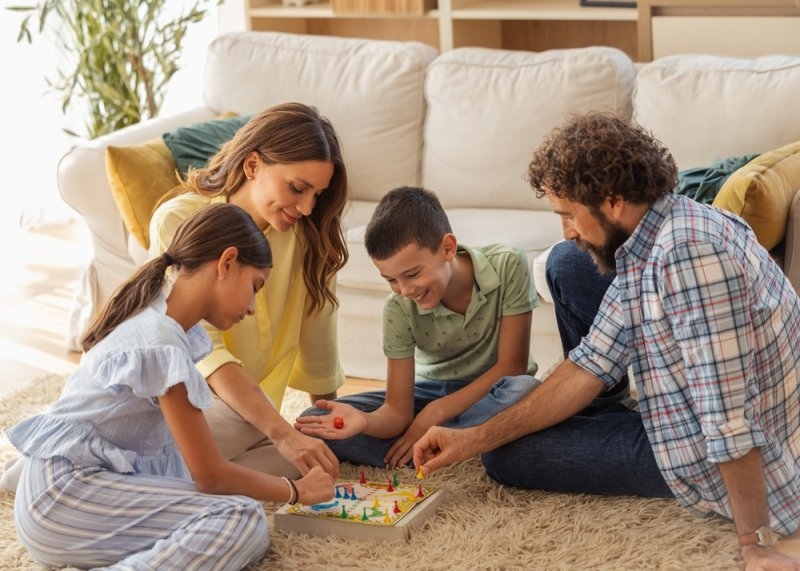
Stuck inside during a rainy afternoon with restless energy filling your living room? Every parent, teacher, and caregiver knows that helpless feeling when outdoor playtime gets canceled unexpectedly. Finding engaging indoor games for kids can transform stressful indoor days into joyful family bonding moments.
According to health data published by the National Health Service Healthier Families program, regular daily active play helps young children build strong bones, improve sleep quality, and maintain healthy cognitive development.
In this comprehensive guide, we will explore creative ways to keep children entertained indoors without relying on digital screens. You will learn about fun indoor games for kids at home, discover active indoor games for kids that burn off excess energy safely, and review practical setups for indoor games for kids without equipment. We will also break down age-appropriate activities to ensure every child stays happy and active.
When bad weather strikes, finding active indoor games for kids becomes a top priority for parents and babysitters. Setting up a dedicated active play progression helps children transition seamlessly from simple agility drills to high-energy coordination games while building physical stamina indoors.
First, convert an open living room space into a physical activity zone. From there, set up a hallway tape obstacle course that enhances physical agility and body control. Finally, finish with a balloon volleyball match to burn off high energy safely without breaking household items.
Transform a narrow hallway into an exciting secret agent mission using blue painter's tape or yarn. Stretch tape crisscross between walls at varying heights. Children must crawl, step, and wriggle through without touching the tape lines. This activity ranks among the best indoor games for kids at home because it enhances balance and body awareness effortlessly.
Inflate a simple latex balloon and set up a tape line across the carpet as a net. Children hit the balloon back and forth using their hands or soft pool noodles. Since balloons float slowly, this serves as one of the most reliable indoor games for kids on rainy days that protects your living room furniture from accidental damage.
Limiting digital screen time requires creative alternatives that spark imaginative curiosity. These screen-free indoor games for kids use basic household items to create lasting entertainment.
Hide small toys, colorful buttons, or clue cards around the house. Provide a simple hand-drawn map or written riddles to guide young explorers. Scavenger hunts stand out as stellar fun games for kids at home that encourage team cooperation among siblings and friends.
Clear a small space on the rug and play energetic, upbeat music. When the music stops suddenly, everyone must freeze in their current posture instantly. Holding funny poses makes this one of the most popular fun indoor games for kids without screens for playdates and birthday parties.
You do not need expensive toys or specialized sports gear to entertain a house full of energetic children. Simple classic games relying on voice prompts and imagination remain timeless choices.
These activities represent perfect indoor games for kids without equipment that can start instantly in any living room, classroom, or daycare setting.
Essential Reads: Fun School Spirit Ideas to Boost Class Energy & Unity
Designing indoor games for kids of all ages ensures that toddlers, elementary students, and preteens can participate together without feeling left out.
| Game Activity | Primary Skill Developed | Ideal Age Range | Material Needed |
| Tape Hopscotch | Balance and counting | 3 to 6 years | Painter tape |
| Sock Bucket Toss | Hand-eye coordination | 4 to 8 years | Rolled socks, laundry basket |
| Cardboard Fort Building | Spatial engineering | 5 to 12 years | Cardboard boxes, blankets |
| Indoor Obstacle Course | Motor agility and stamina | 4 to 10 years | Pillows, chairs, tape |
Structuring collaborative activities creates inclusive environments where older siblings guide younger ones naturally.
Must Try: Discover the Popular Games for Teens Everyone Loves Playing
When looking at what are the best indoor games for kids, rainy days call for immersive storytelling play.
Building elaborate couch pillow forts gives children a cozy sanctuary for reading, drawing, or playing board games. Combining active physical games with relaxing creative crafts balances high energy bursts with calm focus throughout long afternoons indoors.
Keeping children active, happy, and engaged indoors does not require complex planning or expensive gizmos. Throughout this guide, we explored how indoor games for kids bring families together during unexpected bad weather days. We covered energetic movement challenges like balloon volleyball and hallway mazes, highlighted creative screen-free scavenger hunts, and reviewed equipment-free classics like freeze dance and charades.
We also examined how tailored activities support physical coordination and social growth across different age groups. Implementing these simple ideas turns ordinary living rooms into vibrant centers of play, imagination, and learning. Discover creative activity guides, parenting insights, and playful family resources by visiting OnlyCoolKid today.
Teachers can adapt active indoor games by dividing large classes into smaller rotational groups. Setting up distinct activity stations such as desk charades, quiet beanbag target throws, and guided stretch movement games allows every student to participate safely without overcrowding classroom aisles or causing noisy disruptions.
Children with sensory processing needs thrive during calm, structured movement activities. Slow-paced obstacle courses involving weighted blanket crawls, tactile rice search bins, and gentle balance beam walks along taped lines provide calming proprioceptive feedback without triggering sensory overload or auditory anxiety.
Active indoor movement games help young children develop fundamental gross motor skills, spatial awareness, and core balance strength. Following rules during group games strengthens executive function, turn-taking skills, and emotional regulation, which serve as foundational building blocks for formal school readiness.
Before starting energetic physical play indoors, parents should push sharp coffee tables aside, cover exposed hard corners with soft padding, and remove loose rug runners that could slip. Ensuring children wear non-skid socks or go barefoot prevents accidental slips on slick hardwood floors.
Caregivers can keep toddlers engaged by keeping instructions simple and focusing on basic repetitive actions like rolling soft balls, imitating animal walks, or matching colored foam shapes. Short game durations matching a toddler's attention span prevent frustration while fostering early social play skills.
This content was created by AI