


Adolescent life is this crazy sweetener of inquisitiveness, vitality, and discovering who you are. There could be a game-changer in terms of being genuinely entertained between school and friends, social media, and passive flashes of boredom. That is where the hobbies come in; creative teenage hobbies are not only an effective way of spending time, but they also may initiate new skills, confidence, and even discover new talents in themselves.
Children with artistic hobbies can find themselves various skill-building hobbies, after-school recreation activities, etc. And, frankly speaking, you might find the process of trying new things to be more entertaining than you imagine, even having discovered something to engage in throughout your life.
Let’s be real. Teens don’t want chores disguised as hobbies. They want something that feels fun, engaging, and maybe a little rebellious. Hobbies for teens should challenge the mind, flex creativity, or just let you zone out in a satisfying way.
Drawing and painting do not connect to creating a masterpiece in one night, but to the pleasure of creating something. Adolescents have an opportunity to draw, play with paint, or even become digital with such apps as Procreate. The point is that even random stick drawings are counted. You know what’s fun? Leaving your pen unruled, and getting what you write. It is a kind of finding a small secret world you leave behind.
Music is not only a background noise. Playing an instrument, such as guitar, piano, or drums, teaches patience, rhythm, and concentration. And there is a bonus: jams with friends, school performances, or even recording something in your bedroom studio may feel like an adrenaline rush, like nothing else before. Besides, you are allowed to show off when you acquire that tricky riff or beat.
It is not only about essays and homework, but writing can also be a process of getting to the point. Young people have an opportunity to attempt journaling, poetry, or even start a short story. These passions refocus the communication and provide some personal opportunity to unwind. The act of jotting down one idea may seem surprisingly liberating at times, and you never know, your notebook may get you a bestseller tomorrow.
Here’s the thing: teens are digital natives, so merging tech with creativity feels natural. Photography, graphic design, or editing videos teaches composition, visual storytelling, and patience. Start with a smartphone, tweak a few Lightroom filters, or experiment on Canva. It’s amazing how a single photo can tell an entire story without a word.
Some hobbies just feel like play but secretly teach life skills. Skill-building hobbies help teens grow in ways that can last far beyond high school.
Programming sounds intimidating, but platforms like Scratch or Unity make it approachable. Teens can design simple games or apps, learning logic, problem-solving, and a bit of patience along the way. There’s a real thrill in seeing a character move on screen because of code you wrote—it’s almost magical.
Crafting isn’t just glue and glitter. Teens can make jewelry, redecorate their rooms, or even turn old clothes into wearable art. These projects encourage creativity, problem-solving, and a sense of pride. And honestly, there’s something so satisfying about saying “I made this myself” while friends admire your handiwork.
Cooking may not sound like a traditional hobby, but it’s a perfect mix of fun and practicality. Baking cookies, experimenting with new recipes, or even mastering a smoothie bowl teaches focus, patience, and independence. Sharing food you made yourself? Instant feel-good moment.
Artistic hobbies youth gravitate toward aren’t just fun—they’re emotional outlets. They nurture focus, self-expression, and that sense of accomplishment we all crave.
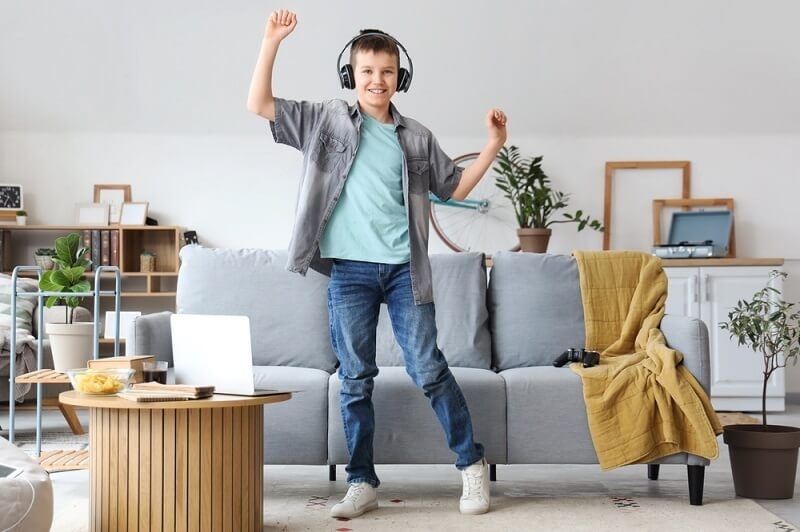
Dance isn’t just choreography—it’s storytelling. Teens can try hip-hop, contemporary, ballet, or even TikTok routines. It builds coordination, confidence, and can be surprisingly social. Plus, nothing beats dancing like nobody’s watching and suddenly nailing that move you’ve practiced for weeks.
Theater and acting teach empathy, confidence, and improvisation. Teens can join school plays or community theater and explore emotions through characters. Nervous at first? Totally normal. The applause, laughter, and friendships formed make every stage fright moment worth it.
Pottery and sculpture are tactile, meditative, and incredibly rewarding. Teens can create bowls, figurines, or abstract art while learning spatial thinking and patience. There’s something magical about turning a lump of clay into something meaningful with your own hands.
The post-school is an ideal time to explore. Teen hobbies in this period should be entertaining to them, challenging, and even bring them closer to friends.
Its sporting activities, such as basketball, soccer, or skateboarding, are not only useful in fitness, but also in learning teamwork, discipline, and perseverance. Even hiking, biking, or rollerblading will help the teens exercise and enjoy the outdoors. Fresh air and exercise will help after a tiresome day at school.
Volunteering can be adult work as it educates one in perspective, empathy, and the real world. Adolescents are allowed to volunteer at animal shelters, in community gardens, or at local events. This is the surprise of difference-making, and you may find some complementary individuals, too.
Not every hobby needs action. Chess, checkers, or logic puzzles are strategic games that require thinking and the development of problem-solving abilities. It is mentally captivating and is a silent method of relaxing, and you also feel like a genius whenever you beat usomeone up
Puzzles are addictive to teenagers who enjoy a challenge. Escape-room type games, Sudoku, and Rubik's cubes would sharpen the focus, patience, and creativity. Nor is there any equal to that aha of getting a solution.
Young people get this great opportunity to live, experiment, and have short bursts of pleasure. Teen hobbies as an option also do not just end up being fun; they foster skill development, creativity, and confidence. It can be painting, coding, dancing, or planting something up, but whatever it is, the aim is curiosity, happiness, and self-change. Take some, blend them together, and have fun.
Drawing, sketching, self-made crafts, and experimenting with cooking are simple, enjoyable, and require minimal preparation.
Absolutely. Music, art, sports, and gardening activities present outlets to emotions, making the teen calm down and stay focused.
Yes. The learning a skill or a leadership/creative hobby can demonstrate to colleges that a teen is balanced, dedicated, and motivated.
Balance between hobbies and academic life follows small and systematic time breaks, and the need to focus on things that are enjoyable.
This content was created by AI